Have you ever wondered about the benefits of water mist systems? Or maybe the difference between a water mist system and a traditional fire sprinkler system?
In this article, we’ll cover popular firefighting agents, their suitability, advantages, disadvantages, and system designs.
What is a water mist system?
A water mist system is a fire protection system that produces a fine spray to suppress fires — a common alternative to traditional large-droplet fire sprinklers. Water is the oldest, most widely used, and universally available firefighting agent known to man. It is non-toxic, environmentally friendly, and has superior fire protection capabilities compared with other agents.
How do water mist fire suppression systems work?
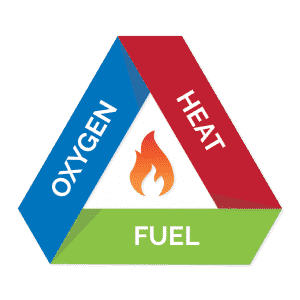
The iMist suppression system and traditional fire sprinkler systems activate similarly during a fire: both wet the surface of the fuel and surrounding area to cool and suppress the fire. However, only the water mist system works in all three ways simultaneously, using minimal water to extinguish a fire:
- Upon activation, a water mist nozzle discharges high-pressure mist, filling the 16m² area (per nozzle) with a fine mist that travels around the room, dampens surfaces, and restricts fire
 spread.
 - The high-pressure mist dramatically reduces room temperature by cooling the air molecules around the fire, similar to cold air displacing hot air.
- Direct contact with the flame converts water into steam, displacing oxygen and suffocating the fire.
 spread.
Unlike Hollywood films, only the nozzles near the fire release mist.
What is the suitability for fire suppression systems?
When choosing between fire suppression systems, consider:
- Activation Speed: Water mist systems activate quickly to reduce smoke buildup, giving occupants more time to evacuate safely.
- Water Supply: iMist systems require minimal water flow (less than a power shower), eliminating the need for bulky tanks in homes or housing developments.
- System Flexibility: Flexible hydraulic hoses allow iMist systems to be retrofitted into existing properties easily.
System designs of water mist systems and fire sprinklers
Nozzles
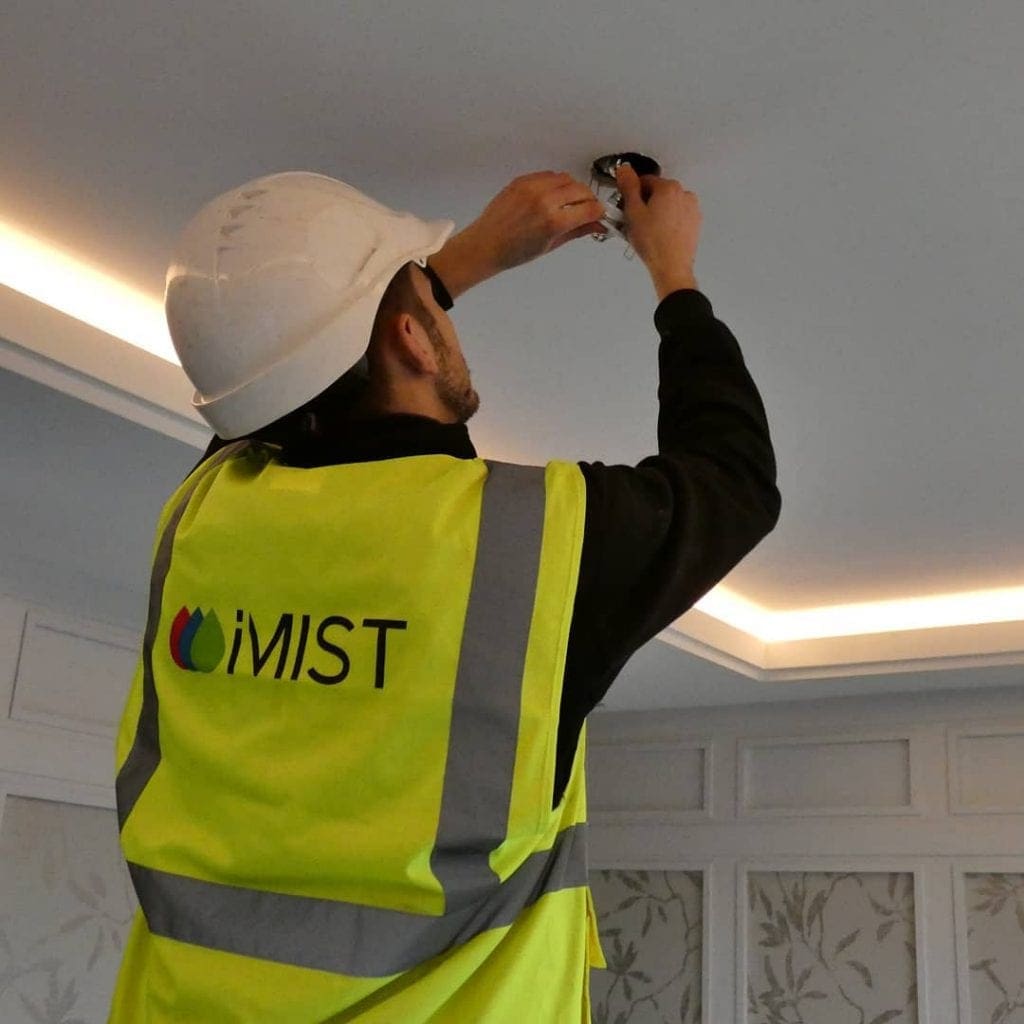
Both water mist and sprinkler systems use fixed nozzle heads, carefully positioned for full protection. At iMist, our nozzles are discreetly designed to blend with ceiling fittings and can be produced in any RAL colour.
Pumps
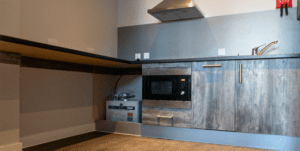
Water mist systems use less water than sprinkler systems, meaning less post-fire damage. Traditional sprinklers may require large tanks for adequate flow; iMist uses small pumps that fit conveniently under sinks or stairs.
Pipework
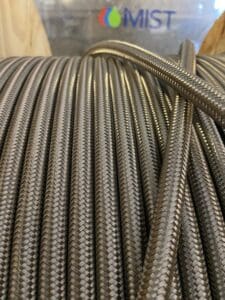
iMist uses custom hydraulic hoses that are flexible, allowing retrofit into existing properties.
Check out iMist’s System Design Here
Accreditations and Certification of Fire-Fighting Agents
Both water mist and sprinkler systems can obtain certifications to ensure reliability and effectiveness. The main difference: traditional sprinklers have been in use for over 100 years, while mist systems are newer but backed by extensive data, knowledge, and testing.

British Standards
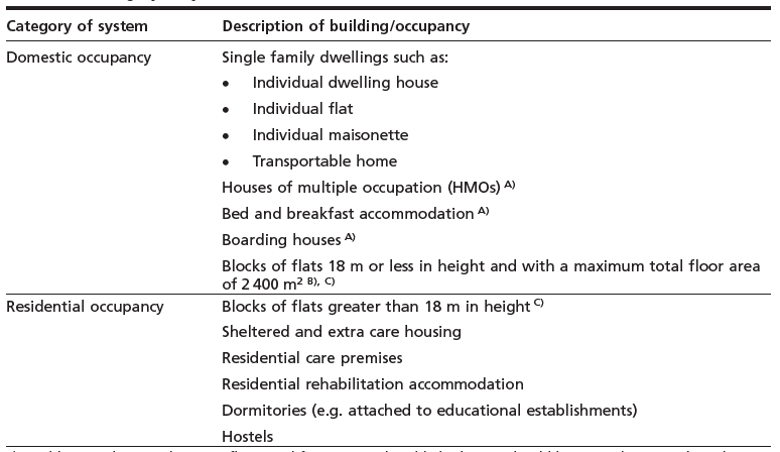
Water Mist Fire Suppression Systems – BS 8458:2015
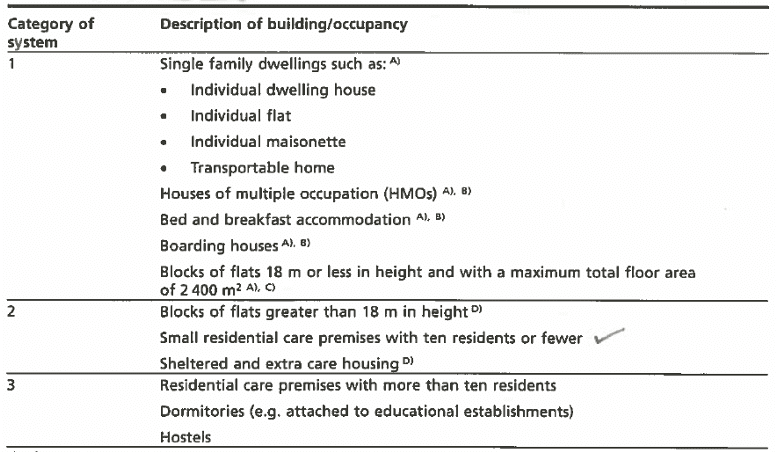
Fire Sprinkler Systems – BS 9251:2021
Why choose iMist for my fire suppression system?
We have been designing, manufacturing, and installing iMist water mist systems across the UK since 2015. We are comprehensively tested and third-party accredited.
Reasons to choose iMist:
- 109 years of combined industry experience
- Highly responsive service, including free 24-hour turnaround designs and free site visits
- Third-party accredited for quality assurance
- Cost transparency, no hidden fees
- Free Home Quotation services UK wide
FAQs
Do water mist systems work if air conditioning is on, or doors/windows are open?
Yes — depending on nozzle layout and ventilation. Systems are tested for tunnel and outdoor fires, and in test cells with windows/doors open. A professional installer will advise optimal nozzle placement.
Can firefighting agents be connected to fire panels?
Yes — iMist can connect to third-party systems such as fire panels, alarms, AOVs (Automatic Opening Vent), SMS units, fire curtains, and more.
Check out more FAQs here.
 Get Your Free Quote Here